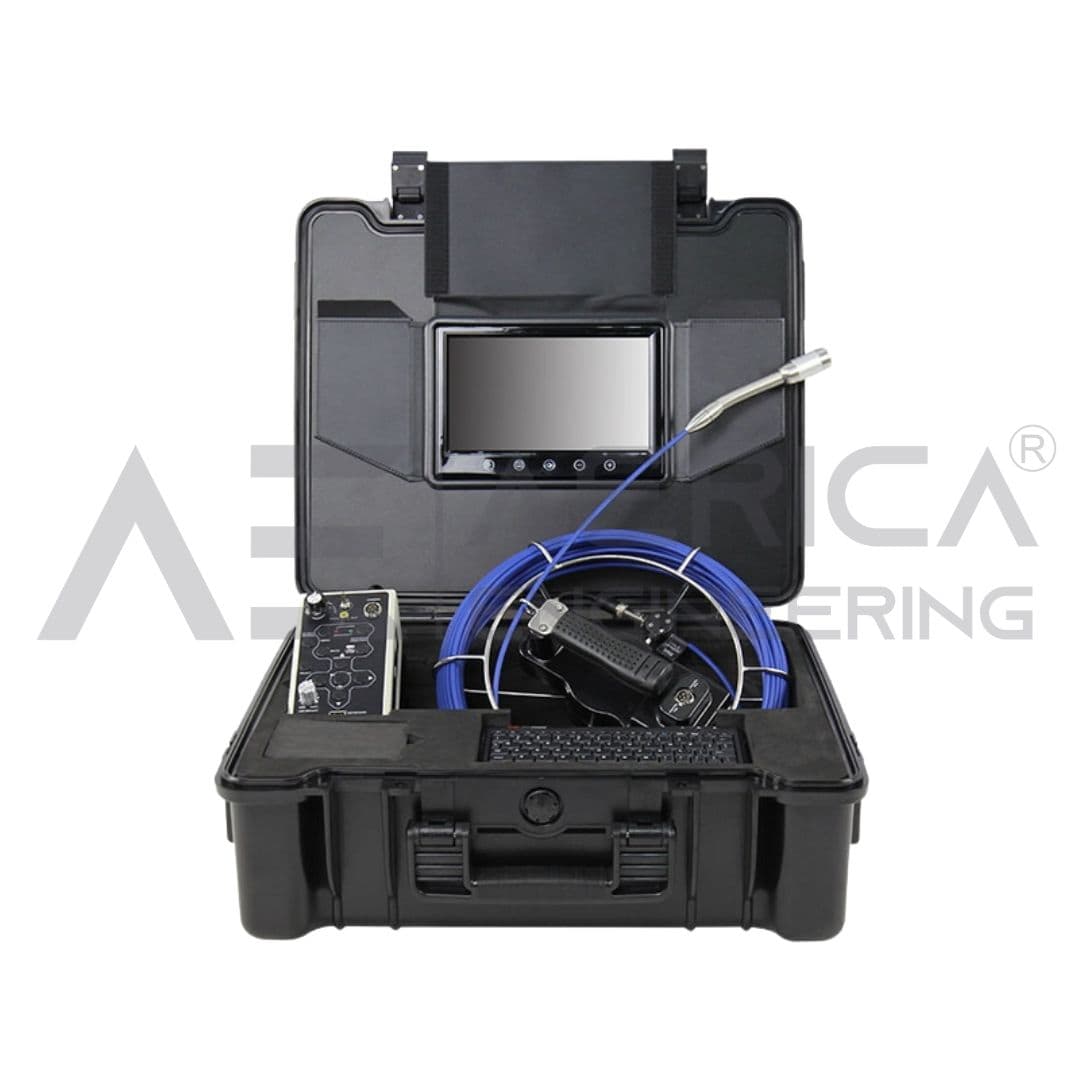
Pro-A2-C23L Pharma Plant Pipe Inspection Camera
Industrial inspection equipment
Overview
The A2-C23L Pharma Plant Pipe Inspection Camera is designed for internal visual inspection of compatible pharmaceutical process pipelines, hygienic utility lines and other specialised industrial pipework. It is intended for maintenance engineers, pharmaceutical plant managers, quality assurance teams and engineering contractors who require visual access to concealed pipeline sections during inspection and maintenance activities. Pharmaceutical manufacturing facilities often require careful inspection of internal pipe conditions to identify visible deposits, surface irregularities, corrosion, joint defects and other potential maintenance concerns. The A2-C23L helps inspection teams examine accessible internal surfaces without routinely dismantling the entire pipeline. Its camera and illumination system support visual assessments, while image and video recording can assist with maintenance documentation and subsequent technical reviews. The system features a 23 mm sanitary stainless steel camera head, chemical-resistant materials and a 9-inch display in the specified configuration. It is designed for compatible pipe diameters ranging from 30 mm to 200 mm. The camera's compact dimensions allow inspection of suitable narrow pipelines, while its waterproof construction supports the specified inspection environment. Application Consultation for Pharmaceutical Pipelines Selecting a camera for a pharmaceutical facility requires consideration of the pipeline's internal diameter, material, accessibility, cleaning procedure and inspection objective. Buyers should also establish whether the camera head and other components are compatible with the cleaning agents and process conditions encountered at their facility. Visual inspection alone does not establish sterility, cleanliness or regulatory compliance. Equipment compatibility, cleaning and sanitisation procedures should be assessed against the facility's validated requirements. Buyers should confirm the relevant material and operating specifications before deployment.
Key Highlights
- Sanitary stainless steel camera head
- Chemical resistant materials
- High-resolution imaging
- Sterilizable components
- FDA compliant materials
- Detailed documentation capability
- Temperature resistant design
- Contamination-free inspection
Request a Quote
Get pricing, availability, and technical guidance.
Request QuoteResponse within 1 business day.
Technical Specifications
| Camera Resolution | 1920x1080 Full HD |
| Camera Material | 316L Stainless Steel |
| Cable Length | 25 meters |
| Camera Diameter | 23mm |
| Temperature Range | -20°C to 80°C |
| Compliance | FDA, GMP standards |
Applications
Pharmaceutical plant piping
Food processing lines
Sterile transfer systems
Clean room pipe inspection
Request Product Information
Fill out the form below and our team will get back to you with detailed information about the Pro-A2-C23L Pharma Plant Pipe Inspection Camera.
Request a Quote
Interested in Pro-A2-C23L Pharma Plant Pipe Inspection Camera? Fill out the form below and our team will get back to you within 24 hours.