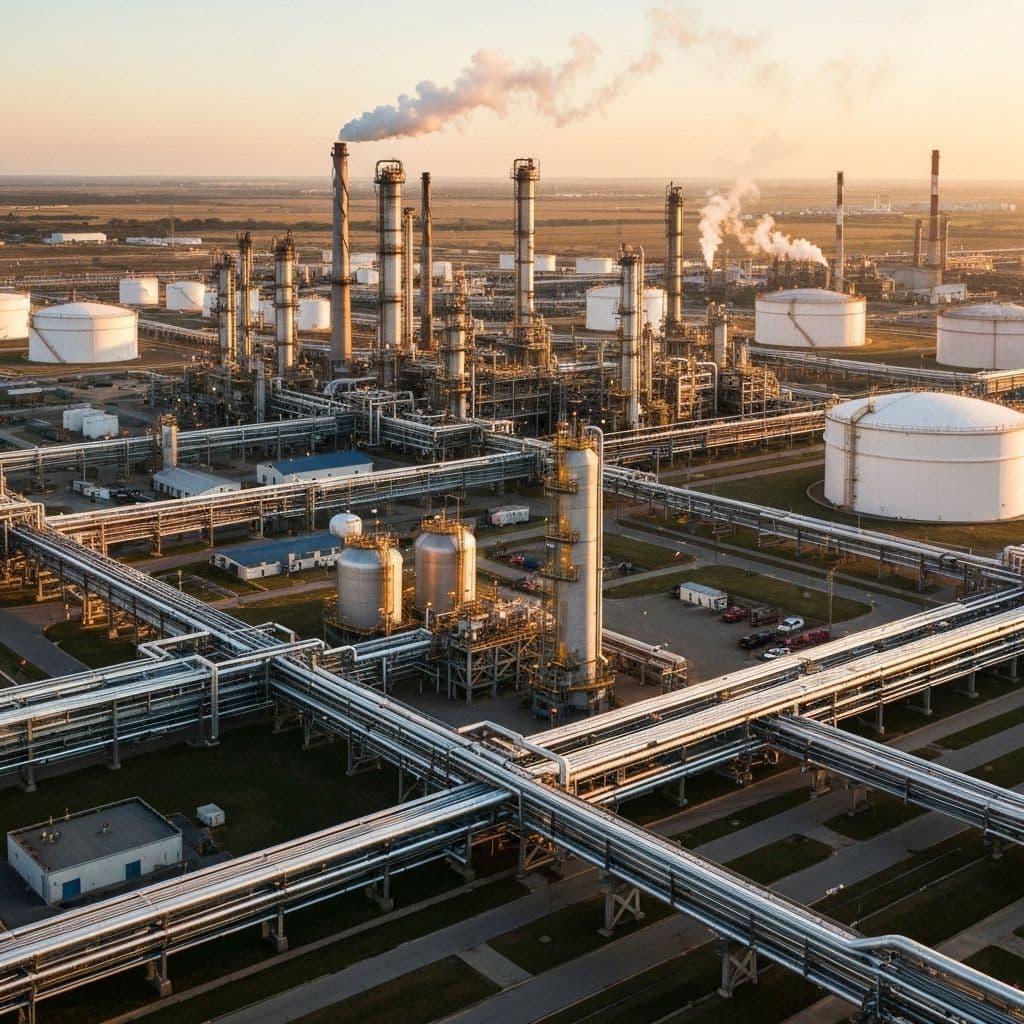
Oil & Gas Inspection Solutions
Comprehensive inspection equipment for upstream, midstream, and downstream operations
Industry Challenges
The oil and gas industry faces unique inspection challenges including harsh environments, high-pressure systems, corrosive materials, and the critical need for safety and reliability. Our inspection solutions help identify potential failures before they occur, ensuring operational continuity and worker safety.
Common Inspection Needs
- Pipeline internal corrosion detection
- Pressure vessel and tank inspection
- Heat exchanger tube inspection
- Weld quality verification
- Offshore platform structural integrity
Our Solutions
- Industrial borescopes for visual inspection
- Pipe inspection cameras for pipelines
- Ultrasonic flaw detectors for welds
- Thickness gauges for corrosion monitoring
- Hardness testers for material verification
Recommended Products
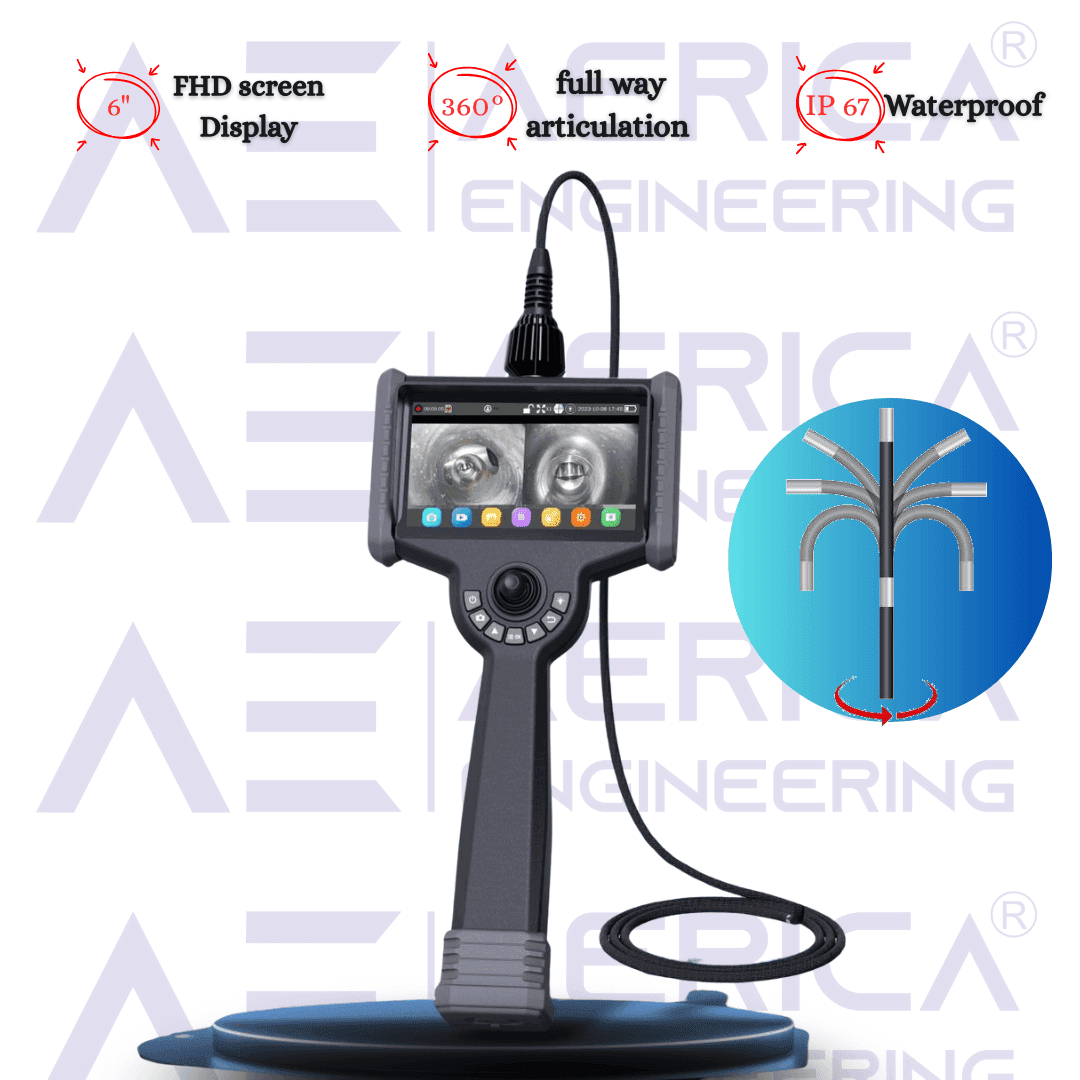
AE-SGP Industrial Borescope
Full-HD articulation for columns, storage tanks, and flare stacks.
View Details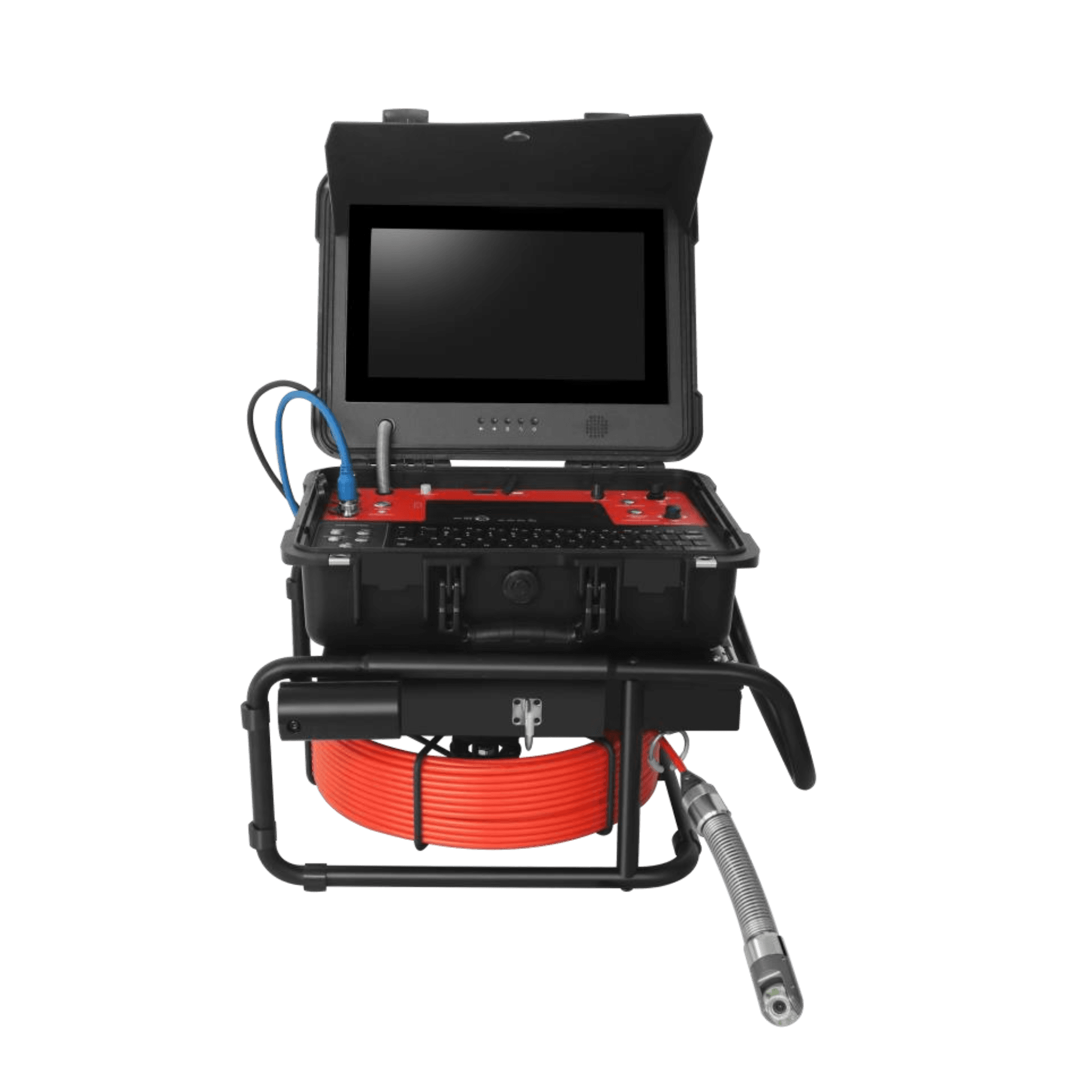
AE-VW10-2388 PTN-1 Pipe Inspection Camera
Long-range crawler for pipelines, risers, and buried conduits.
View Details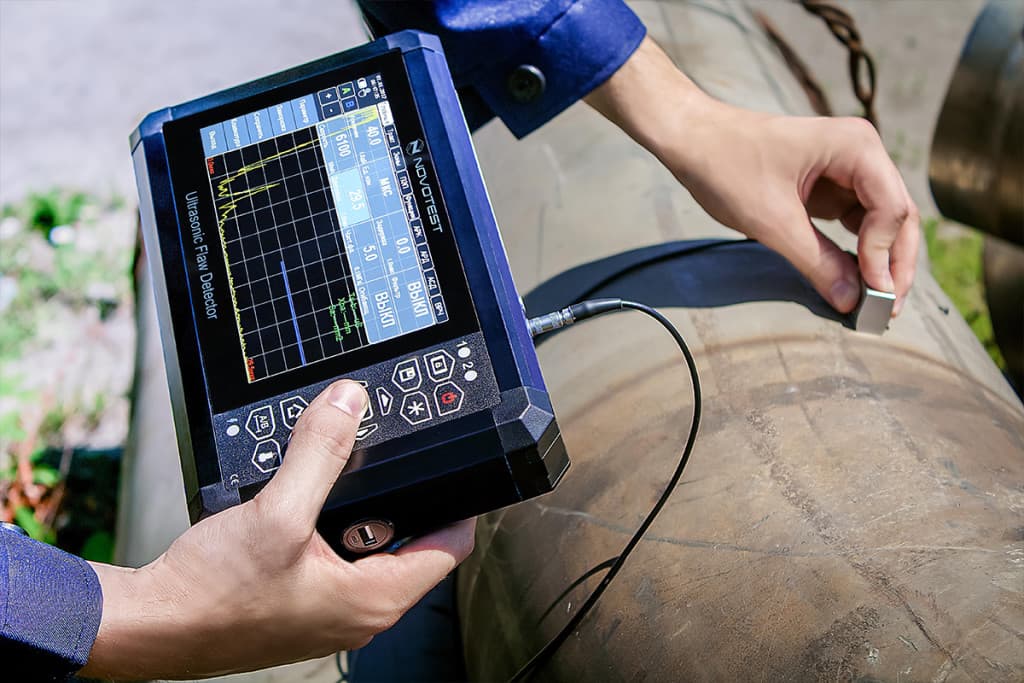
Ultrasonic Flaw Detector NOVOTEST UD3701
Advanced UT for weld seams, subsea pipelines, and pressure vessels.
View DetailsReady to Enhance Your Inspection Capabilities?
Contact our oil & gas specialists to discuss your specific inspection requirements
Contact UsRequest Inspection Solutions for Oil & Gas
Share your inspection requirements and our team will provide tailored equipment recommendations
Request a Quote
Interested in Oil & Gas Inspection Solutions? Fill out the form below and our team will get back to you within 24 hours.
Inspection Equipment for Oil & Gas
Frequently Asked Questions
Why is non-destructive testing indispensable in the oil and gas industry?▼
Oil and gas facilities operate under extreme pressures, temperatures, and corrosive environments where equipment integrity is directly linked to operational safety. Non-destructive testing enables engineers to detect internal defects, corrosion, wall thinning, weld discontinuities, and material degradation without interrupting production, ensuring safe and reliable operations.
Which inspection equipment is commonly used in upstream, midstream, and downstream operations?▼
Oil and gas companies routinely utilize industrial borescopes, ultrasonic flaw detectors, ultrasonic thickness gauges, pipe inspection cameras, coating thickness gauges, hardness testers, and underground utility locators to inspect pipelines, pressure vessels, storage tanks, process equipment, and transmission infrastructure.
How does predictive inspection reduce operational risk in refineries and pipelines?▼
Routine condition monitoring allows maintenance teams to identify deterioration before it results in leaks, equipment failures, or unplanned shutdowns. This supports predictive maintenance programmes, enhances asset integrity, and reduces maintenance expenditure while improving environmental and operational safety.
Why is coating inspection important for hydrocarbon infrastructure?▼
Protective coatings safeguard pipelines, storage tanks, offshore structures, and processing equipment against corrosion. Accurate coating thickness measurement ensures compliance with engineering specifications, improves corrosion resistance, and extends the service life of critical infrastructure.
How can Indian oil and gas companies benefit from advanced inspection technologies?▼
Advanced inspection equipment enables operators to improve regulatory compliance, reduce operational downtime, strengthen asset integrity management, optimize maintenance planning, and ensure the safe operation of high-value energy infrastructure throughout its operational lifecycle.