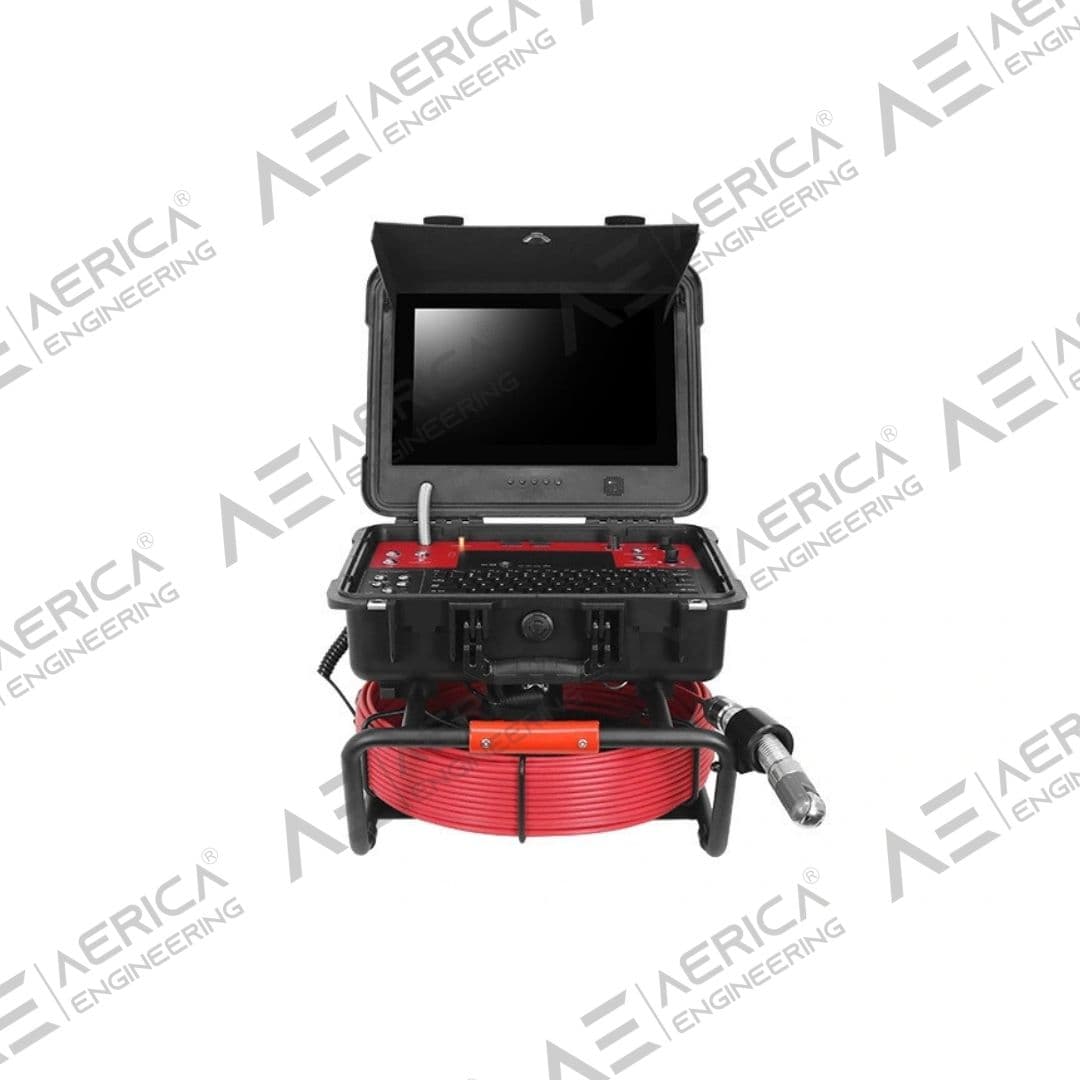
Pro-VW10-2388 PTN-1 Industrial Pipe Inspection Camera
Industrial inspection equipment
Overview
The VW10-2388 PTN-1 Industrial Pipe Inspection Camera is designed for industrial inspection teams that require adjustable camera positioning and detailed visual examination of internal pipeline conditions. Its pan-tilt-rotate camera arrangement helps operators inspect different viewing directions within accessible pipelines, reducing the limitations associated with fixed-view inspection systems. The system is suitable for selected industrial pipeline surveys, drainage networks, utility infrastructure and maintenance inspections where camera orientation is an important consideration. Its adjustable viewing capability can help engineers examine visible cracks, corrosion, deposits, obstructions, joint conditions and other internal irregularities. Recorded inspection footage can support technical reviews, maintenance planning and the preparation of inspection reports. The VW10-2388 PTN-1 configuration features a 10-inch display, a 33 mm camera head and a 40 m cable. Its Full HD 1920 × 1080 imaging capability supports detailed visual inspection. The camera provides continuous 360-degree rotation and tilt adjustment of up to ±180 degrees. The specified system also supports operation at pressures of up to 10 bar, subject to the applicable operating conditions and manufacturer specifications. Configure the Industrial Pipe Inspection Camera Choosing an industrial pipe inspection camera requires evaluating more than image resolution. Camera-head dimensions, pipeline accessibility, cable reach, viewing angle, operating pressure and display requirements all affect equipment suitability. The PTN-1 configuration should be assessed against the actual pipe geometry and inspection environment. The pan-tilt-rotate mechanism is particularly relevant when the inspection objective involves viewing multiple internal surfaces or examining specific locations from different angles. Buyers should confirm the supported pipe diameter, pressure conditions, cable configuration and recording options for their intended application.
Key Highlights
- Pan-Tilt-Rotate camera head
- 360° rotation capability
- High-intensity LED lighting
- 10-inch HD monitor
- 40m heavy-duty cable
- Real-time video recording
- Depth and distance measurement
- Rugged industrial design
Request a Quote
Get pricing, availability, and technical guidance.
Request QuoteResponse within 1 business day.
Technical Specifications
| Camera Resolution | 1920x1080 Full HD |
| Monitor Size | 10 inch |
| Cable Length | 40 meters |
| Camera Diameter | 33mm |
| Rotation | 360° continuous |
| Tilt Range | ±180° |
| Operating Pressure | Up to 10 bar |
Applications
Large diameter pipe inspection
Industrial process piping
Municipal sewer systems
Oil and gas pipelines
Request Product Information
Fill out the form below and our team will get back to you with detailed information about the Pro-VW10-2388 PTN-1 Industrial Pipe Inspection Camera.
Request a Quote
Interested in Pro-VW10-2388 PTN-1 Industrial Pipe Inspection Camera? Fill out the form below and our team will get back to you within 24 hours.