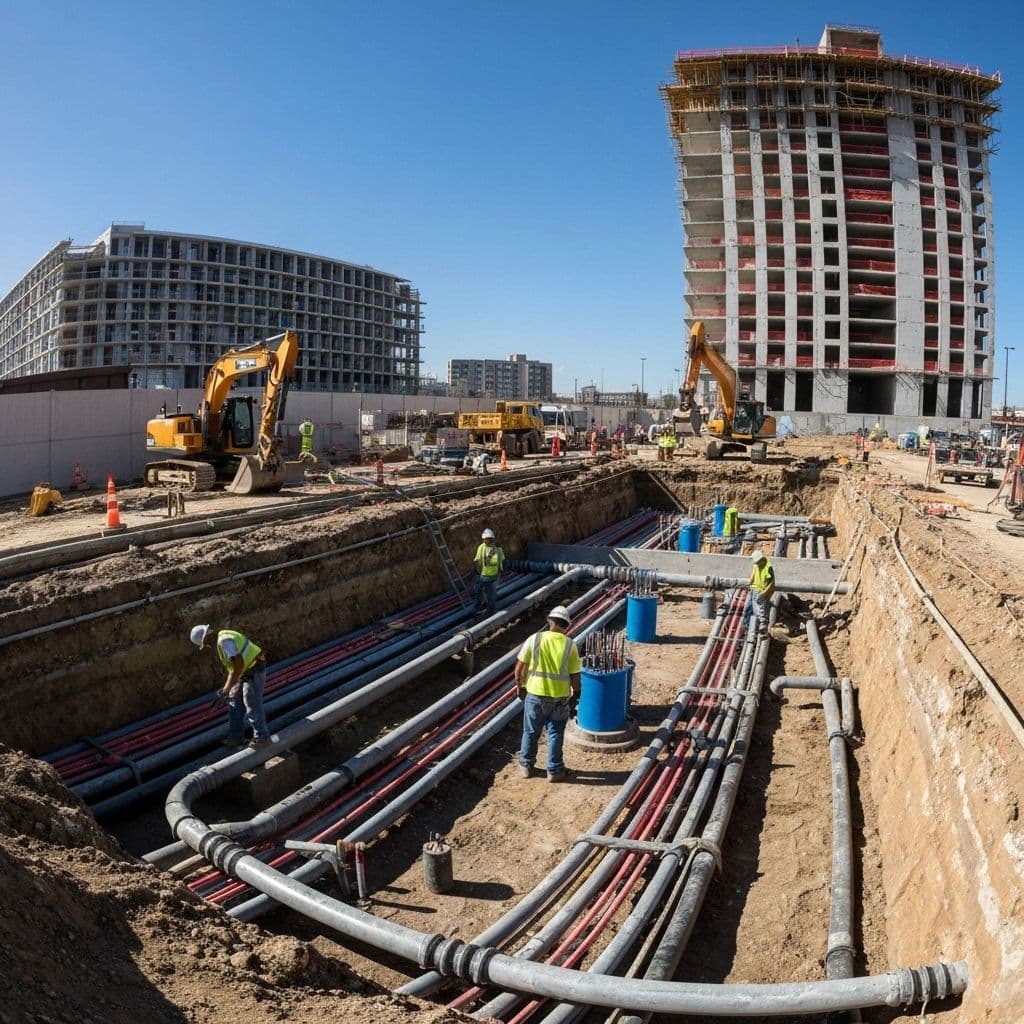
Public Infrastructure Inspection Solutions
Advanced inspection equipment for bridges, tunnels, water systems, and critical municipal infrastructure
Industry Challenges
Public infrastructure requires regular inspection and maintenance to ensure public safety and operational reliability. From aging bridges to underground water systems, our inspection solutions help identify structural issues, corrosion, and deterioration before they become critical safety concerns.
Common Inspection Needs
- Bridge structural integrity assessment
- Tunnel lining and support inspection
- Water and sewer pipeline condition
- Concrete structure deterioration
- Corrosion monitoring of steel structures
Our Solutions
- Pipe inspection cameras for underground systems
- Ultrasonic thickness gauges for corrosion
- Industrial borescopes for confined spaces
- Concrete testing equipment
- Structural integrity assessment tools
Recommended Products
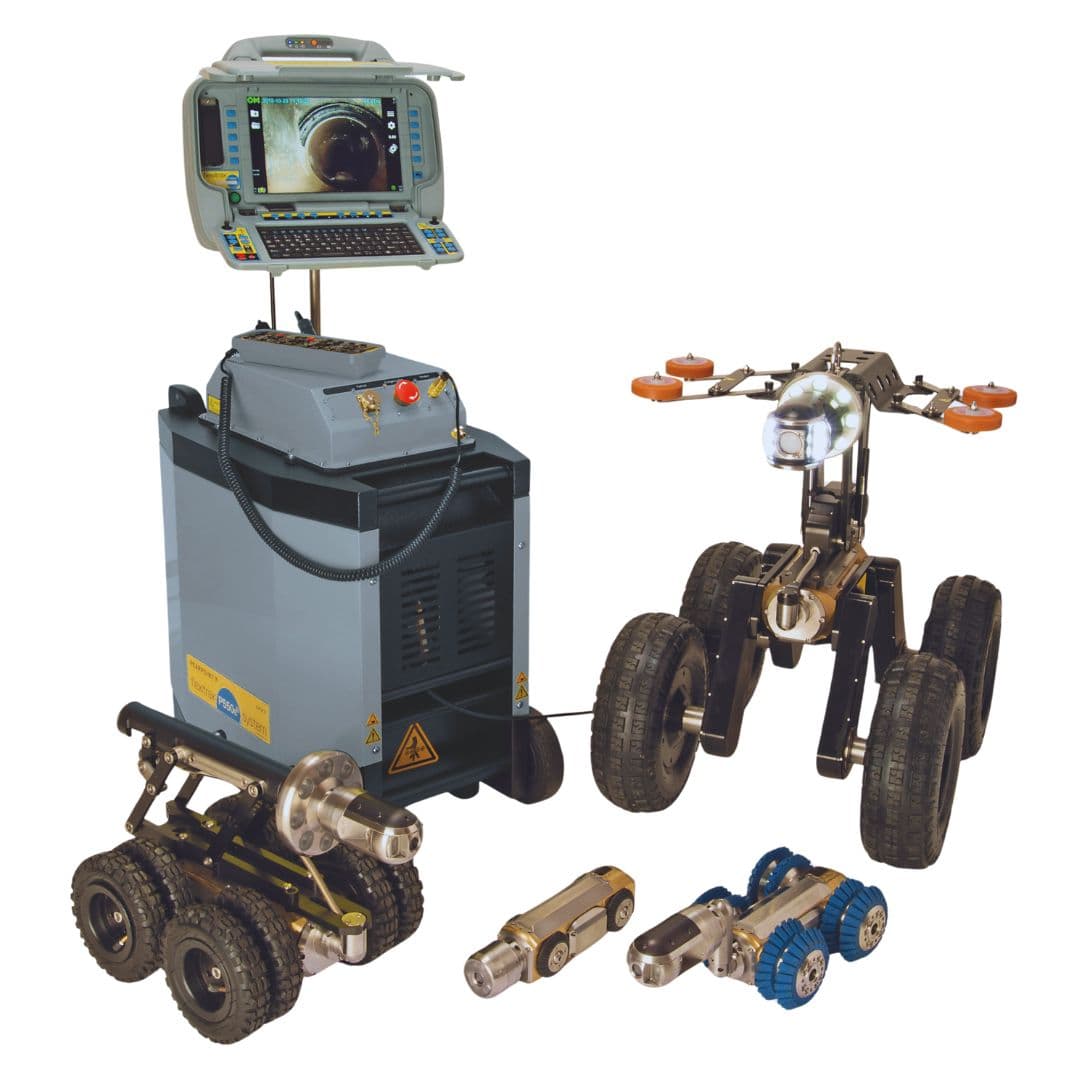
Robotic Pipe Inspection Camera
Crawler system for sewer, storm water, and industrial trunk lines.
View Details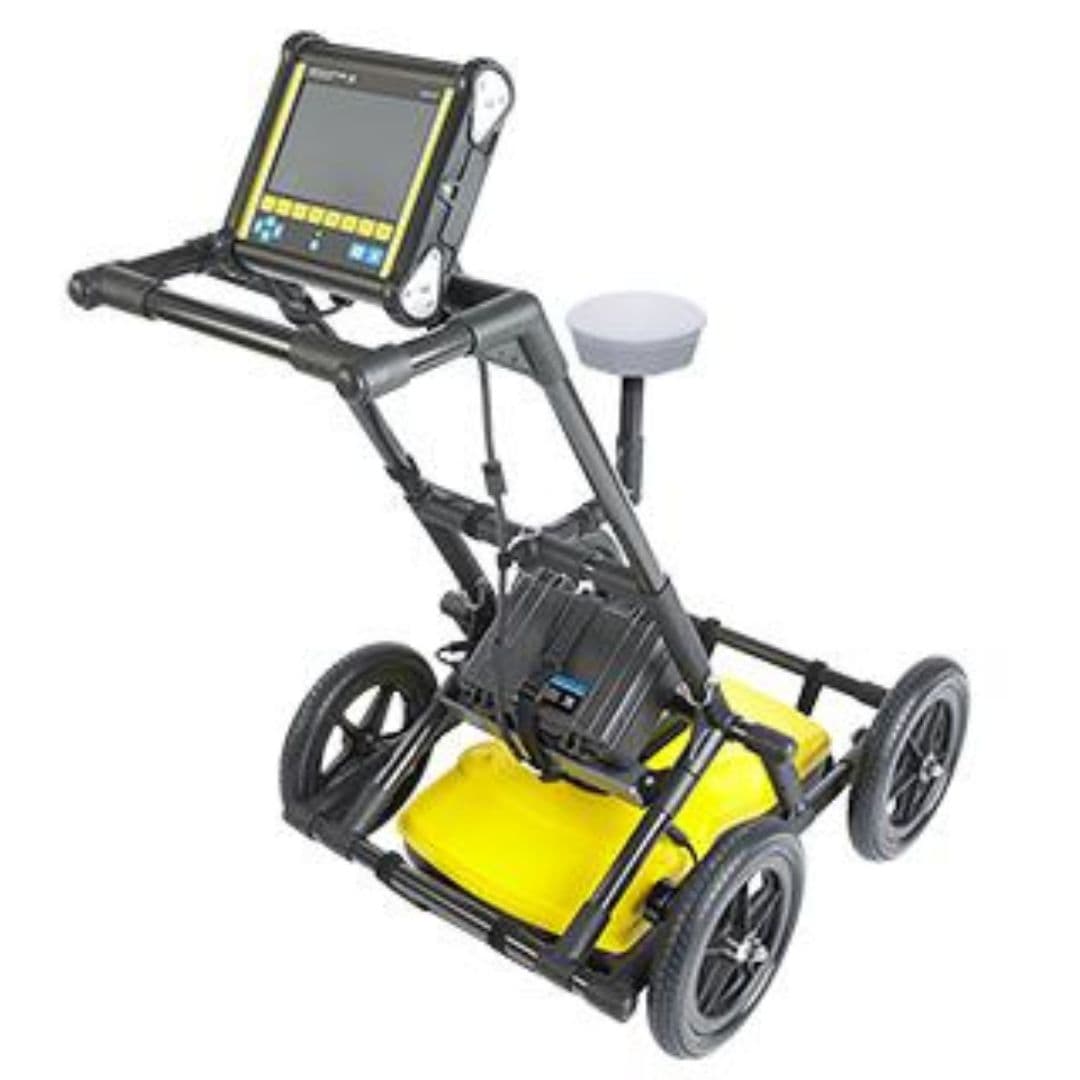
Ground Penetrating Radar (GPR)
High-resolution subsurface mapping for utilities, voids, and structural assessment.
View Details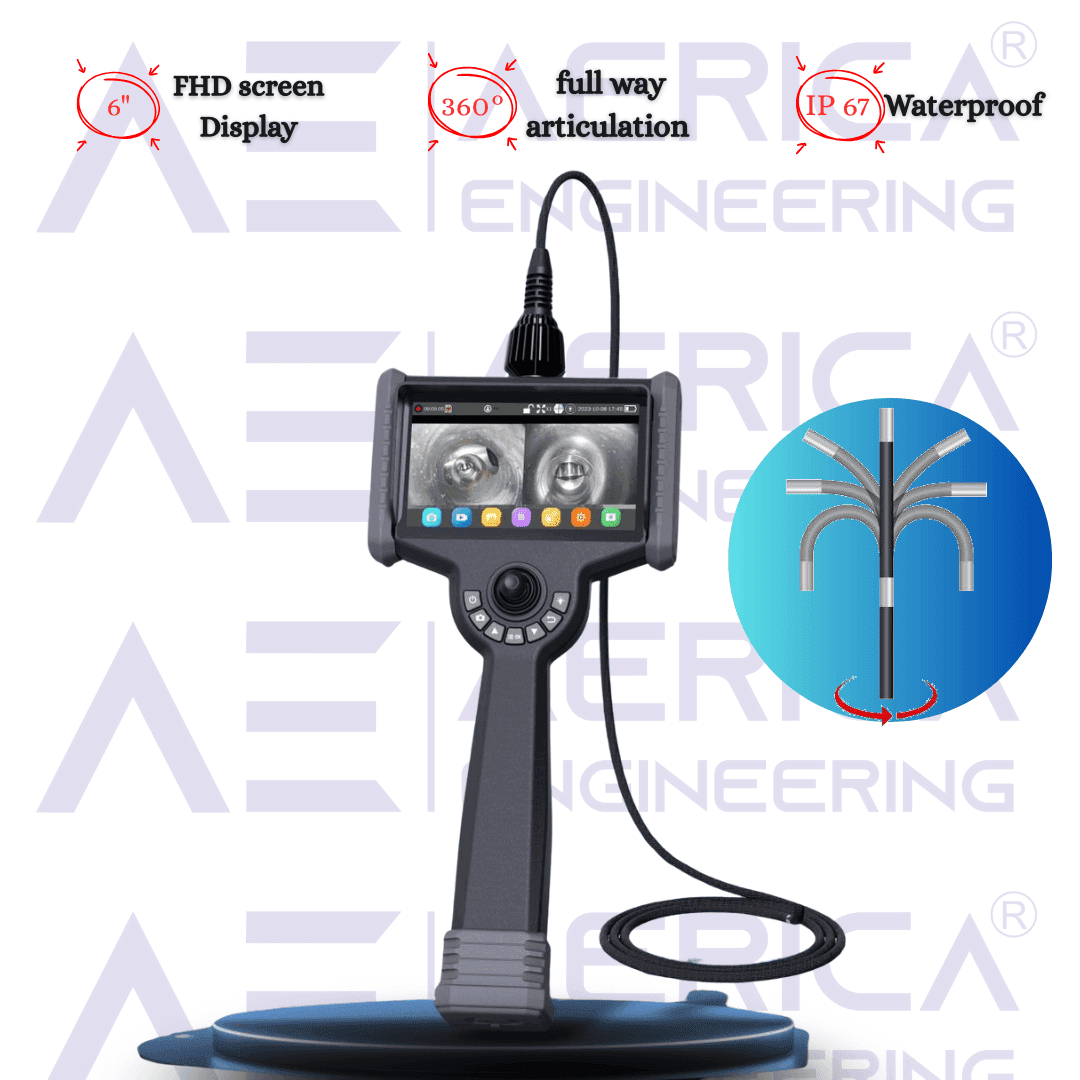
AE-SGP Industrial Borescope
Confined-space inspection for bridge tendons, culverts, and manholes.
View DetailsKey Applications
Bridge Inspection
Assess structural integrity, detect cracks, corrosion, and deterioration in bridge components including decks, girders, and support structures.
Tunnel Maintenance
Inspect tunnel linings, support systems, drainage, and ventilation infrastructure for safety and operational efficiency.
Water & Sewer Systems
Evaluate underground pipeline condition, detect leaks, blockages, and structural defects in water distribution and wastewater systems.
Municipal Buildings
Conduct regular inspections of public buildings, facilities, and structures to ensure safety compliance and identify maintenance needs.
Ready to Protect Your Infrastructure?
Contact our infrastructure specialists to discuss your specific inspection requirements
Contact UsRequest Infrastructure Inspection Solutions
Share your inspection requirements and our infrastructure specialists will provide tailored equipment recommendations
Request a Quote
Interested in Public Infrastructure Inspection Solutions? Fill out the form below and our team will get back to you within 24 hours.
Frequently Asked Questions
Why is non-destructive inspection essential for public infrastructure projects?▼
Public infrastructure assets such as bridges, highways, tunnels, airports, railway stations, public buildings, and utility corridors are designed for long-term service under demanding environmental and operational conditions. Non-destructive inspection enables engineers to assess structural integrity, identify hidden deterioration, and evaluate critical components without interrupting public services, thereby supporting informed maintenance planning and extending infrastructure lifespan.
Which inspection technologies are commonly deployed across public infrastructure projects?▼
Infrastructure authorities utilize Ground Penetrating Radar (GPR), concrete scanners, industrial borescopes, ultrasonic flaw detectors, coating thickness gauges, underground utility locators, and pipe inspection cameras to evaluate reinforced concrete, buried utilities, structural steel, drainage systems, and transportation infrastructure.
How does advanced inspection technology contribute to infrastructure resilience?▼
Comprehensive condition assessment allows infrastructure owners to identify structural vulnerabilities before they develop into major failures. This enables proactive rehabilitation, improves public safety, minimizes lifecycle maintenance costs, and enhances the long-term resilience of critical infrastructure assets.
Can industrial inspection technologies support large-scale infrastructure modernization programmes?▼
Yes. Modern inspection systems generate high-quality engineering data that supports bridge rehabilitation, highway expansion, metro rail construction, utility relocation, smart city development, and urban renewal projects by reducing uncertainty during planning and execution.
Why should infrastructure consultants and EPC contractors in India invest in advanced inspection equipment?▼
Advanced inspection technologies improve engineering decision-making, reduce project risks, accelerate construction planning, strengthen quality assurance, and provide accurate field intelligence that supports the successful delivery of complex infrastructure projects.